
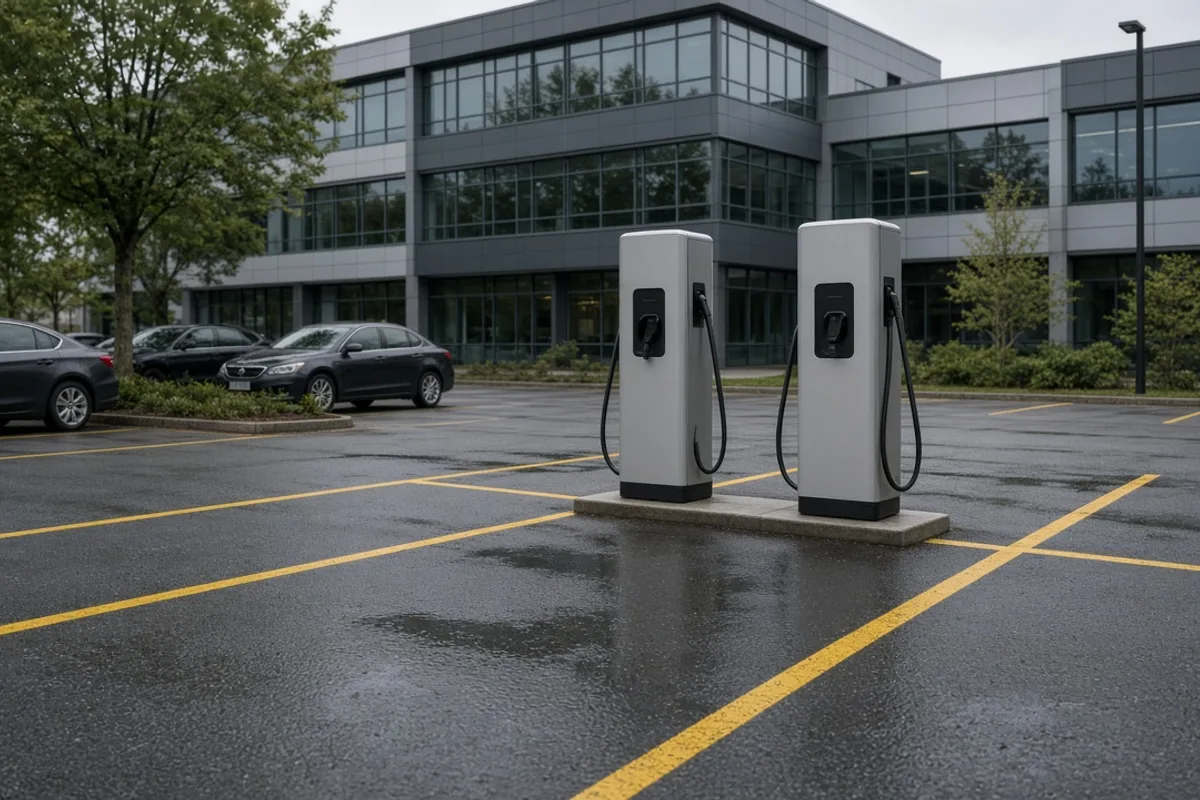
Most sole traders charge an electric van overnight at home on a 7 kW wallbox, which fills a typical van battery from low to full during a long cheap-rate window. The set-up is the same as for a car, with extra attention to where a larger vehicle parks, the cable reach and recording business use. A smart EV tariff makes home charging far cheaper than public rapid charging during the working day.
Will a 7 kW home charger keep up?
Electric vans have batteries similar in size to larger cars, and their AC charging rates are often 7 kW to 11 kW. On a single-phase home supply, a 7 kW charger adds roughly 7 kWh an hour. Over an eight-hour night that is more than most local trade rounds use in a day.
Heavy loads, motorway runs and cold weather increase energy use. Check the van's real efficiency in its app after a few weeks of normal work.
| Daily mileage | Approx. energy needed | Hours on 7 kW |
|---|---|---|
| 50 miles | About 20 kWh | About 3 hours |
| 100 miles | About 40 kWh | About 6 hours |
| 150 miles | About 60 kWh | About 9 hours |
Parking and cable routes
Vans are longer and the charge port may be in a different place from a car's. Measure where the van parks and where its port sits, and choose a tethered cable long enough to reach without crossing a path, or a socketed charger with a longer cable.
If the van parks on the street, see our guides to cross-pavement charging and on-street charging. Charging on a driveway is simplest and cheapest.
Business costs and records
If the van is used for business, keep records of the electricity used for it. A charger with certified metering, or a separate MID-approved meter, makes it easier to separate business charging from household use. Ask your accountant how to treat the costs.
Some smart chargers can produce monthly reports of energy used, which saves manual record keeping.
Tariffs and grants
A smart EV tariff with a long cheap overnight window keeps running costs low. Daytime top-ups on public rapid chargers cost much more, so plan routes to rely on overnight home charging where possible.
Businesses with their own premises may be eligible for workplace charging support; check GOV.UK for the current scheme and eligibility before budgeting.
Frequently asked questions
Can I charge an electric van at home?
Yes. A 7 kW home charger covers most local trade mileage overnight.
How long does an electric van take to charge at home?
About 6 hours on 7 kW to add 100 miles of typical driving, depending on the van and load.
Can I claim home charging costs for a business van?
Business use costs can usually be recorded and claimed. Certified metering helps; ask your accountant.
Is there a grant for van charging?
Workplace schemes may help businesses with premises. Check GOV.UK for current eligibility.
Core buying guides
Start with these high-intent guides, then dig into the rest of the library.
Related guides
Sources and further reading
How this guide was prepared
This guide was written by the Local EV Installers Editorial Team. We compare official guidance, legislation and established consumer information, separate general information from project-specific advice, and show publication dates and sources. We do not accept installer accreditation claims at face value.