
Fleet depot charging is an energy and operations project first, and a chargepoint shopping list second. Map vehicle return times, required state of charge by departure, and the depot's available electrical capacity before choosing AC, DC or a mix. DNO applications for higher loads can dominate the programme, so phase sockets and consider load management to defer reinforcement. Grants may help some workplace sockets, but depot-scale civils and grid works usually sit far above per-socket contributions. Check any OZEV support on GOV.UK and budget contingency for trenches, lighting and safety marking.
Duty cycle before hardware brand
List each vehicle class, battery size, daily mileage and the latest plug-in time. Overnight vans often suit banks of AC; short-turn buses or taxis may need DC hubs.
Designers who skip the duty-cycle workshop overbuild or under-serve.
Yard layout and operational safety
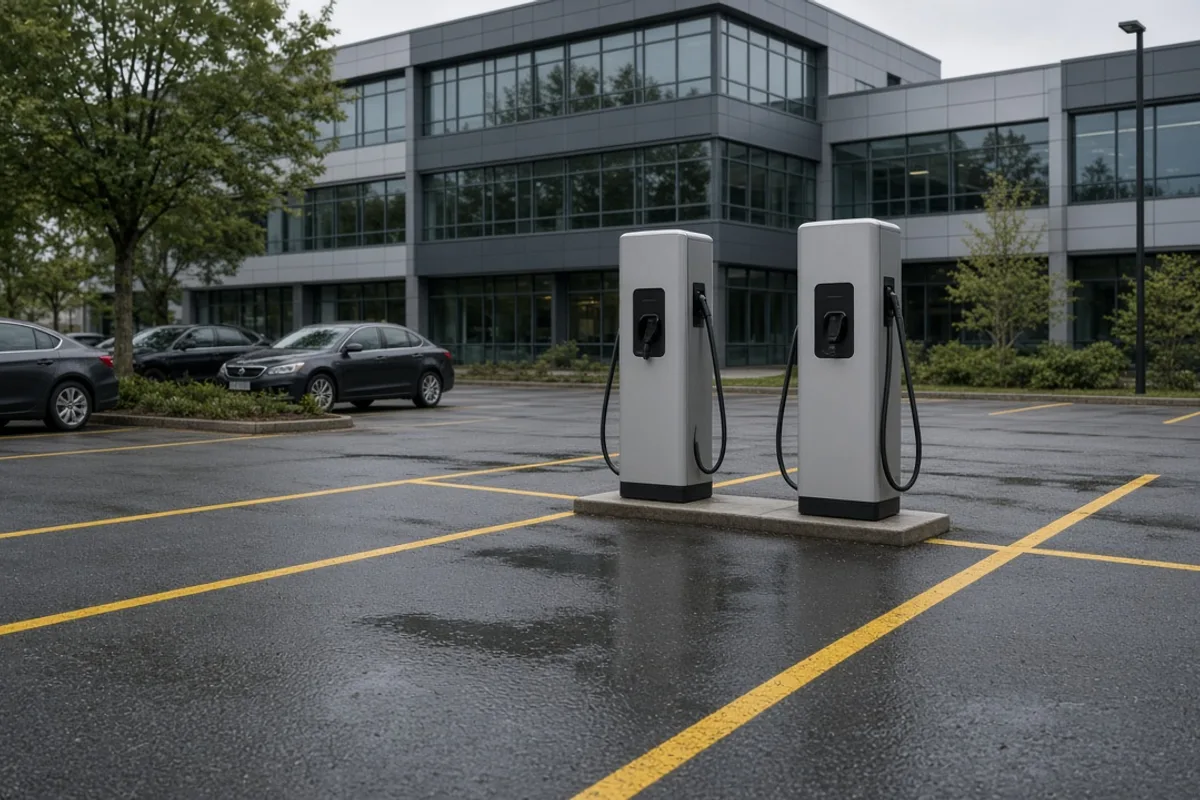
Keep pedestrian routes clear, avoid trailing leads across HGV paths, and place chargers where shunting will not shear posts. Drainage, lighting and CCTV belong in the same drawing set as the electrical schematic.
Future vehicle lengths and mirror swings need space now.
- One-way traffic where possible
- Impact protection for posts
- Clear fault and isolation procedures for night staff
Grid capacity and phasing
A realistic maximum demand study may show that twenty AC sockets with diversity fit today's supply, while simultaneous DC does not. Sequence DNO conversations early; reinforcement calendars are not retail lead times.
Temporary generators are a costly habit. Prefer phased sockets and telematics that prove the next tranche.
Software, energy buying and residual value
Depot platforms should report kWh per vehicle for cost allocation and driver behaviour coaching. Time-of-use tariffs and any on-site solar or battery need integrating into charge schedules.
Choose equipment with a secondary market and local spares so a failed rectifier does not park a fleet.
Funding realism
Workplace grants can chip away at eligible sockets where rules fit. They will not usually fund the whole substation story. Verify GOV.UK figures and keep board packs honest about net versus gross.
Frequently asked questions
Should every bay be DC?
No. Match power to dwell time. Overnight depots often waste capital on DC they never need.
How long do DNO upgrades take?
From weeks for simple notifications to many months for reinforcement. Start the enquiry at concept stage.
Can we reuse existing fuel-island islands?
Sometimes for layout, rarely for electrics without redesign. Fuel and high-power electrical clearances differ.
Do we need planning permission?
Depot arrays, canopies and new substations often trigger planning or landlord consents beyond a domestic-style wallbox. Take site-specific advice.
Core buying guides
Start with these high-intent guides, then dig into the rest of the library.
Related guides
Sources and further reading
How this guide was prepared
This guide was written by the Local EV Installers Editorial Team. We compare official guidance, legislation and established consumer information, separate general information from project-specific advice, and show publication dates and sources. We do not accept installer accreditation claims at face value.