
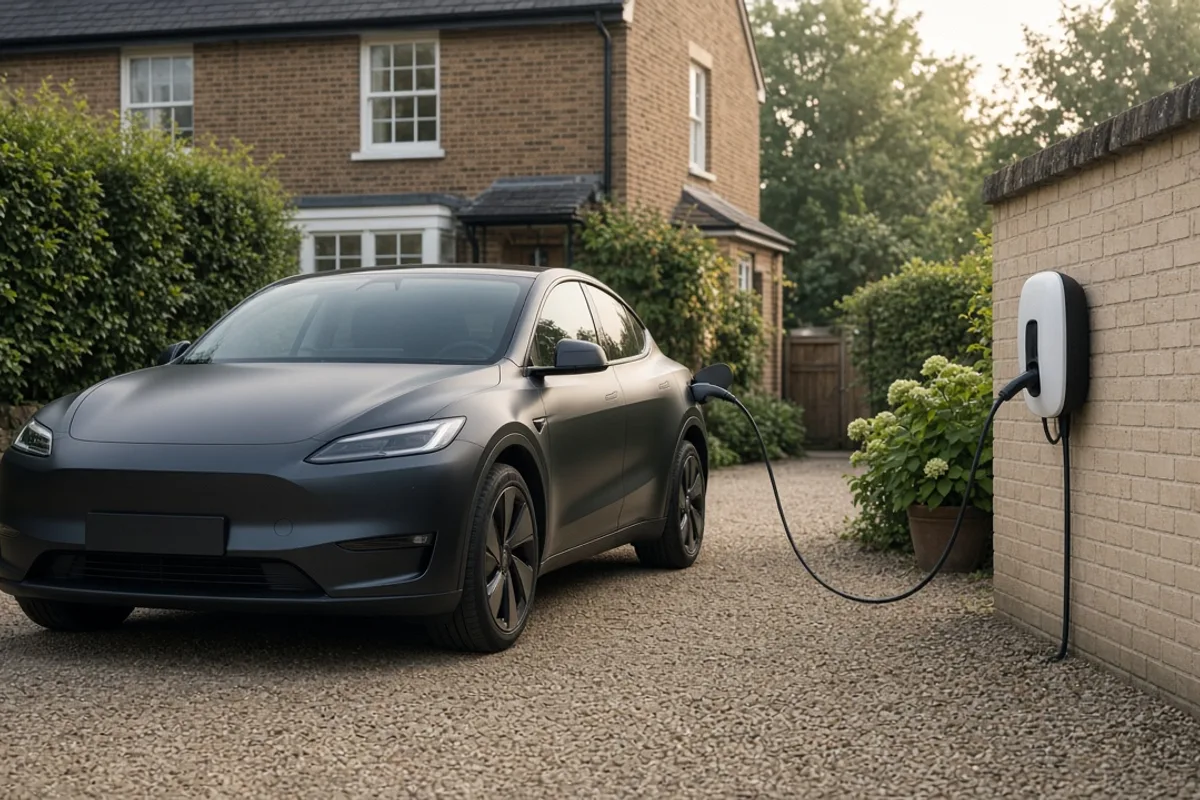
Current MINI electric models accept 11kW AC, so a 7kW wallbox charges any of them overnight with time to spare. The Cooper E and Aceman have relatively small batteries, which means most owners only need a few hours on the charger each week. Short drives and terraced frontages are common for MINI owners, so cable length and charger position matter more than charging speed.
MINI home charging times by model
Of the MINI models below, the Cooper E refills fastest at home, about 5.5 hours from empty, while the Countryman Electric needs about 9.5 hours. Daily top-ups take far less.
| Model | Type | Battery | Max AC charging | 0 to 100% on 7kW |
|---|---|---|---|---|
| Cooper E | Electric | about 36.6 kWh | 11kW | about 5.5 hours |
| Cooper SE | Electric | about 49.2 kWh | 11kW | about 7.5 hours |
| Aceman | Electric | about 38.5 or 49.2 kWh | 11kW | about 7.5 hours |
| Countryman Electric | Electric | about 64.6 kWh | 11kW | about 9.5 hours |
Fitting a charger on a small frontage
If you park on a short front drive, mount the charger close to where the car's port ends up and keep the cable off the pavement. Trailing a cable across a footway is not allowed, so owners without off-street parking need a council-approved solution or public charging instead.
Compact chargers such as untethered sockets suit small walls and avoid a coiled cable hanging by the front door.
Frequently asked questions
How long does a MINI Cooper SE take to charge at home?
About seven to eight hours from empty on a 7kW wallbox, and much less for a typical top-up.
Core buying guides
Start with these high-intent guides, then dig into the rest of the library.
Related guides
- Cross-pavement EV charging in the UK: gullies, channels and cables
- EV charger for a terraced house with street parking
- EV charger installation cost UK 2026: what homeowners actually pay
- Genesis home charging guide: GV60, GV70 Electrified and Electrified G80
- Home charging for a used electric car: what to check
Sources and further reading
How this guide was prepared
This guide was written by the Local EV Installers Editorial Team. We compare official guidance, legislation and established consumer information, separate general information from project-specific advice, and show publication dates and sources. We do not accept installer accreditation claims at face value.