
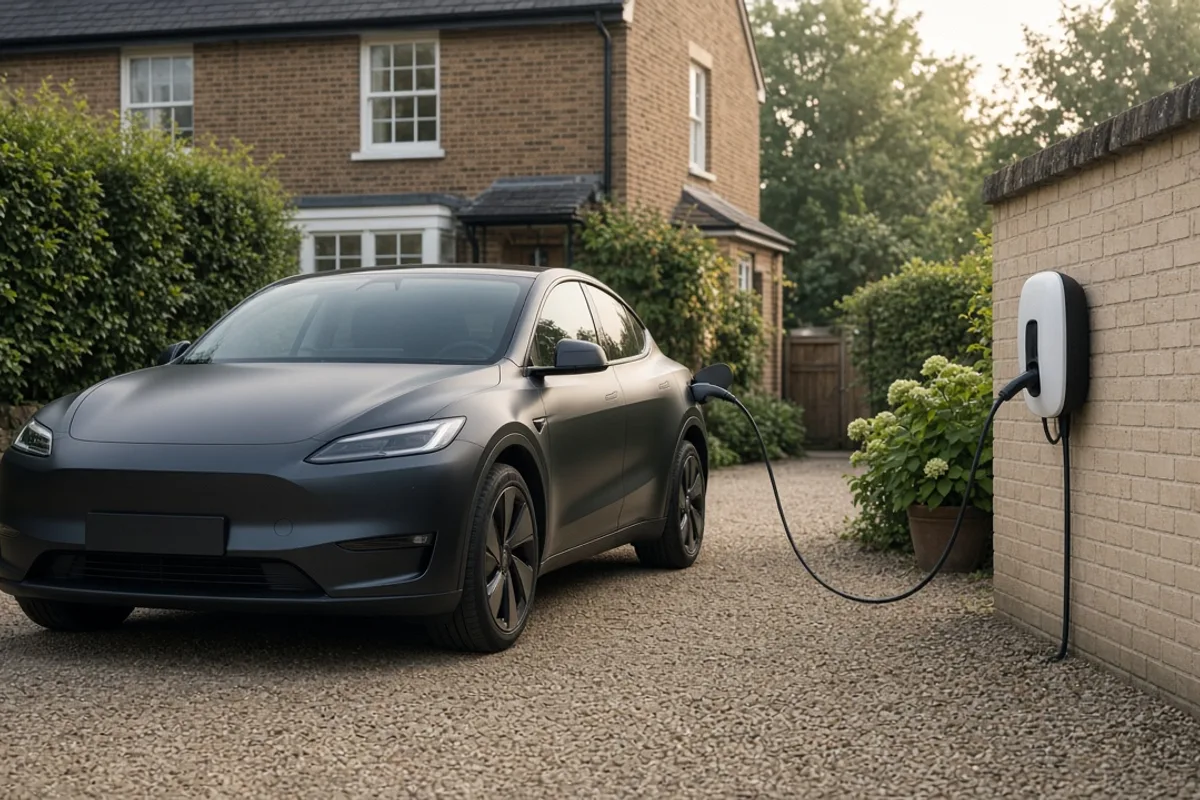
The Jaguar I-Pace accepts 11kW AC on most UK cars, so a 7kW wallbox charges it overnight. Range Rover and Range Rover Sport plug-in hybrids have large batteries of around 38 kWh and charge at about 7kW, so a home wallbox makes their long electric range easy to use every day.
Jaguar and Range Rover home charging times by model
Of the Jaguar and Range Rover models below, the Range Rover and Range Rover Sport plug-in hybrids refills fastest at home, about 5 hours from empty, while the Jaguar I-Pace needs about 12.5 hours. Daily top-ups take far less.
| Model | Type | Battery | Max AC charging | 0 to 100% on 7kW |
|---|---|---|---|---|
| Jaguar I-Pace | Electric | about 84.7 kWh | 11kW (7kW on early cars) | about 12.5 hours |
| Range Rover and Range Rover Sport plug-in hybrids | Plug-in hybrid | about 31.8 kWh usable | 7kW | about 5 hours |
Range Rover plug-in hybrid owners
With a battery large enough for around 60 to 70 miles of electric driving, these plug-in hybrids are worth charging every night. A 7kW wallbox fills them in about five hours.
Frequently asked questions
How long does a Jaguar I-Pace take to charge at home?
About 12 to 13 hours from empty on a 7kW wallbox.
Core buying guides
Start with these high-intent guides, then dig into the rest of the library.
Related guides
- Audi home charging guide: Q4, Q6, Q8, A6 and e-tron GT plus TFSI e hybrids
- Electric van charging guide: Ford E-Transit, Peugeot e-Partner, Maxus and more
- Fiat 500e, Jeep Avenger and Citroen e-C4 home charging guide
- Ford home charging guide: Explorer, Capri, Mustang Mach-E, Puma Gen-E and Kuga PHEV
- Hyundai home charging guide: Ioniq 5, Ioniq 6, Kona Electric and hybrids
Sources and further reading
How this guide was prepared
This guide was written by the Local EV Installers Editorial Team. We compare official guidance, legislation and established consumer information, separate general information from project-specific advice, and show publication dates and sources. We do not accept installer accreditation claims at face value.