
If an employer pays for a chargepoint at your home, there can be a benefit-in-kind question as well as an installation question. The tax treatment depends on facts HMRC cares about: who the car belongs to, whether the charger is for a company vehicle, and how the provision is structured. This page is not tax advice. It is a prompt to get the employer's payroll team, or a tax adviser, to confirm the treatment before anyone drills the wall.
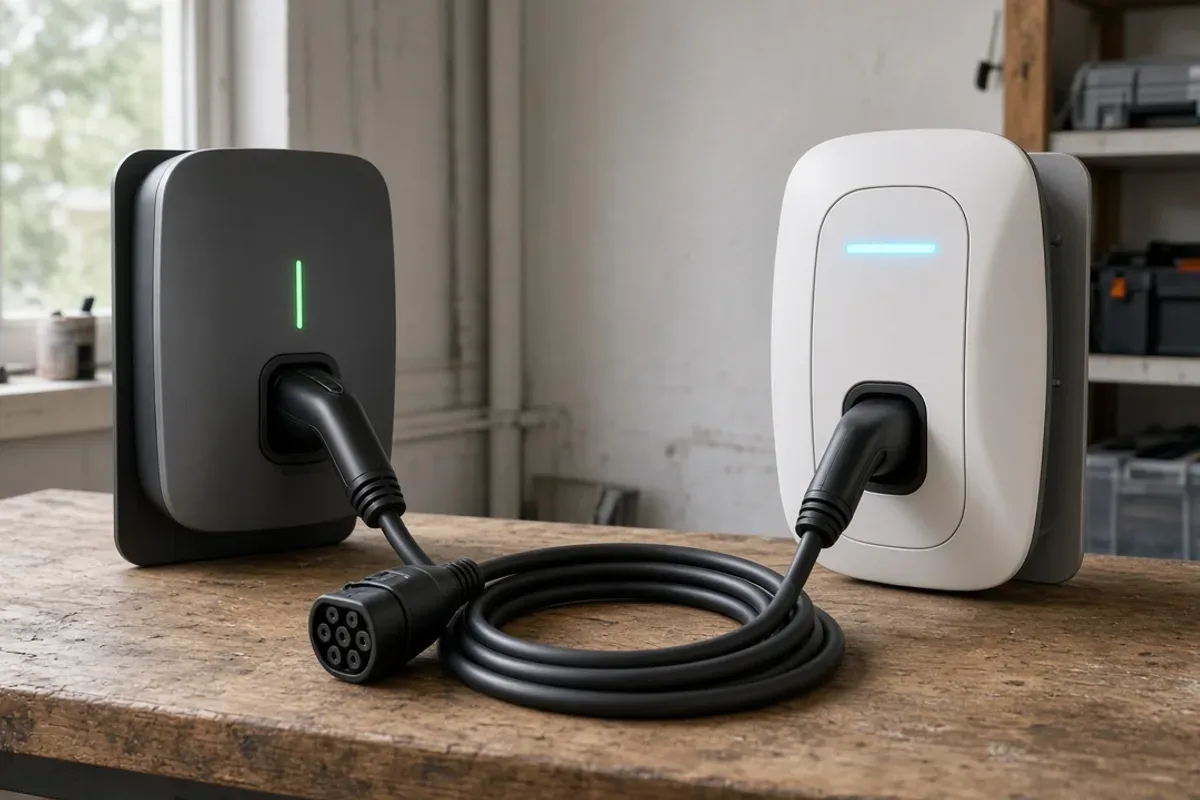
A miss that shows up later: benefit in kind when an employer pays for a home charger
The mistake is a director buying a charger through the company for a private car and a private drive with no record. Another is employees paying tax they might not owe because nobody asked.
Write benefit in kind when an employer pays for a home charger into the quote
Put 'tax treatment to be confirmed by the employer' on the order, and do not start until the person who runs payroll has seen it.
Benefit in kind when an employer pays for a home charger
Separate three payments in the conversation: the hardware and install, the electricity afterwards, and any reimbursement of business miles. Each can be treated differently.
- Hardware, electricity and mileage are different
- Company car facts matter
- Get payroll to confirm in writing
- This is a prompt to take advice, not the advice itself
Check benefit in kind when an employer pays for a home charger before you accept a price
Ask for a written note of the proposed treatment and keep the invoice in the company file. Do not rely on a sales line that says 'tax free' on a charger brochure.
The price effect of benefit in kind when an employer pays for a home charger
An unexpected benefit charge can cost more than the VAT on the install. Equally, a lawful exemption or a matching liability offset may apply in some company-car cases. Only the current rules applied to your facts will say which.
Frequently asked questions
Is a home charger always tax free for company EVs?
Do not assume a blanket answer. Ask the employer to apply the current HMRC position to your car and your address.
What if I leave the job?
The agreement should say whether the charger stays, is paid for, or is removed. Tax and ownership are both in that question.
Can the company claim capital allowances?
Sometimes, on kit the company owns and uses for the business. Ownership has to be real. Ask the accountant.
Does the employee have to use a smart charger?
Tax does not pick the brand. The install still has to meet electrical and smart charge point rules.
Core buying guides
Start with these high-intent guides, then dig into the rest of the library.
Related guides
Sources and further reading
How this guide was prepared
This guide was written by the Local EV Installers Editorial Team. We compare official guidance, legislation and established consumer information, separate general information from project-specific advice, and show publication dates and sources. We do not accept installer accreditation claims at face value.