
Sharing can make sense for two neighbours with one bay between them or a genuine wish to split cost. It is a small private supply arrangement: who owns the kit, whose consumer unit feeds it, how the electricity is paid for, what happens when one house is sold, and who is liable if it faults. A lead across a fence does none of that and puts a trip hazard on a boundary. If the cable crosses land, you want a written right, not a favour. Metering, even a simple agreed monthly figure based on sessions, prevents a fall-out.
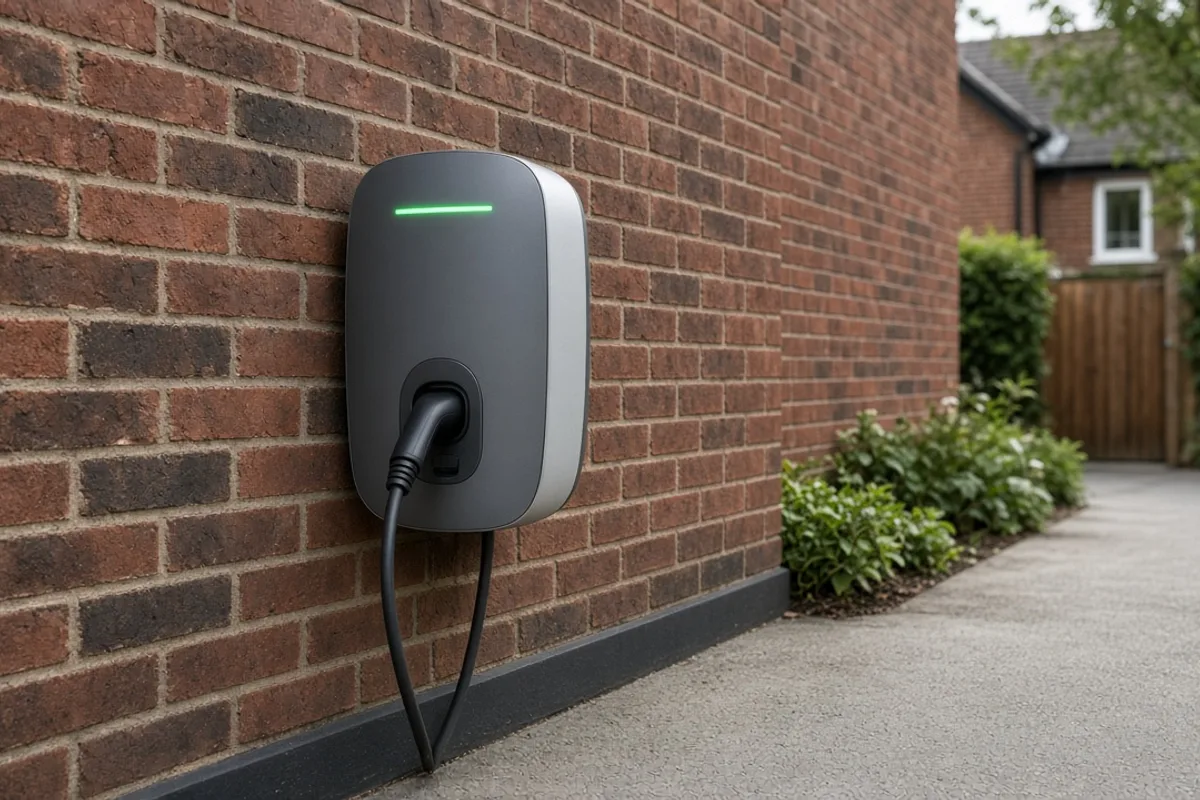
What a survey must prove about sharing a home EV charger with a neighbour
Each household's insurer and, if relevant, freeholder should know. The electrical certificate will name one address. Be clear which one.
Sharing a home EV charger with a neighbour and the written scope
The install cost shared two ways can be attractive. The legal tidy-up is still necessary. An unpaid electricity dispute costs the friendship.
The expensive shortcut on sharing a home EV charger with a neighbour
The mistake is a commando socket on the party line with two granny leads, or a silent arrangement that collapses at completion.
Handover when sharing a home EV charger with a neighbour is the issue
Write a one-page agreement: ownership, payment, access for repairs, and what is removed on sale.
Sharing a home EV charger with a neighbour
Talk before you install. A charger on your wall that the neighbour relies on becomes a problem the day you move.
- One circuit, one responsible address
- Pay for the electricity on purpose
- Crossing a boundary needs a right
- Plan for the day one of you sells
Frequently asked questions
Can we split one grant?
Only if the scheme allows the arrangement. Most are written around one applicant and one parking right. Do not assume a neighbourly split is eligible.
Is this the same as a community charger?
No. A public or community point has a different consent and operator model.
What if the RCD trips at midnight?
The agreement should say who may enter and reset, and when you call an electrician instead.
Can the cable cross the pavement to their car?
Not as a favour. Highway consent would be required and is often refused for a private lead.
Core buying guides
Start with these high-intent guides, then dig into the rest of the library.
Related guides
Sources and further reading
How this guide was prepared
This guide was written by the Local EV Installers Editorial Team. We compare official guidance, legislation and established consumer information, separate general information from project-specific advice, and show publication dates and sources. We do not accept installer accreditation claims at face value.