
Adding a home EV charger can affect home insurance disclosures, especially where insurers ask about electrical alterations, outbuildings or high-value outdoor equipment. Comprehensive car policies may cover charging cables under specific terms, while the wallbox itself is often treated as part of the buildings or contents discussion. Tell insurers promptly, use a competent installer, keep certificates, and do not assume the manufacturer warranty replaces insurance for impact, theft or weather damage.
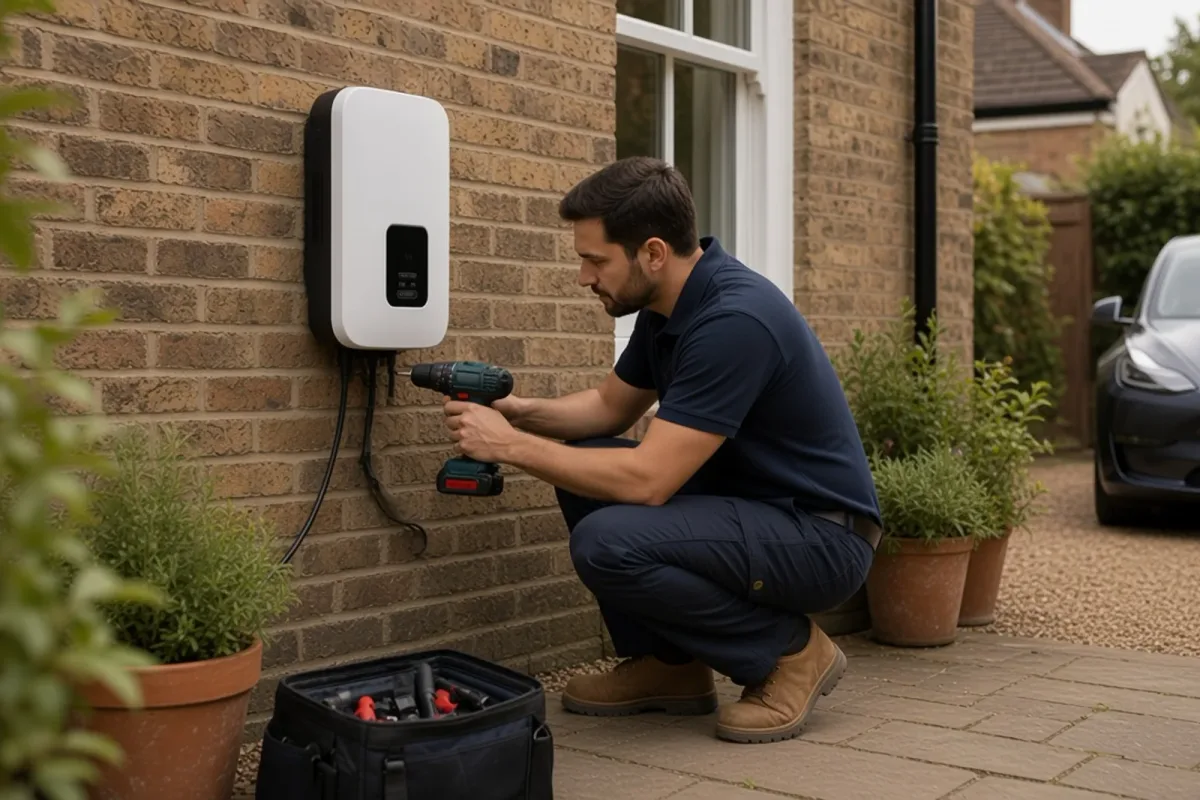
Disclose the install in plain terms
When your home policy asks about changes to the property or electrical systems, describe the charger location, whether it is hardwired, and any consumer-unit upgrade. Insurers vary: some only need notification above a value threshold, others want all fixed alterations recorded. A short email with photos and the certificate date creates an audit trail.
If you rent, clarify whether the landlord's buildings cover or your contents policy is the right place for questions about tenant-owned equipment. Permission to install and insurance disclosure are separate tasks.
Wallbox, cable and vehicle: different risk pots
The vehicle is usually covered by motor insurance while in use or parked as defined by the policy. The portable charge cable may be covered as an accessory with limits and theft conditions, such as forced removal. A fixed wallbox is more often a home-insurance conversation because it is attached to the building or a dedicated post.
Read exclusions for gradual deterioration, faulty workmanship and flood. Coastal or exposed side passages may need particular mounting and sealing quality to avoid damp-related disputes.
- Ask about theft cover for tethered cables left connected overnight.
- Check accidental damage cover for reversing impacts into a post.
- Confirm outbuilding or garage electrics are not excluded.
- Update sums insured if a premium charger and board upgrade add material value.
Liability and neighbour issues
Public liability concerns can arise if cables trail across shared paths or if works affect neighbouring property. Cross-pavement solutions should follow council rules precisely so you are not creating an obstruction risk that an insurer could view poorly after an incident.
Competent installation and testing reduce the chance of electrical damage claims. DIY adaptations of EV circuits are a common way to create both safety and cover problems.
Claims evidence worth preparing in advance
Store installer details, certificates, model and serial numbers, and dated photos of the finished mount. After storm or impact damage, insurers often ask whether the installation was professional and whether maintenance was reasonable.
If a software fault rather than physical damage stops charging, that is usually a warranty or supplier issue, not an insurance claim. Knowing which route to use saves time when you need the car charged for work the next morning.
Workplace and landlord angles
For workplace charge points on business premises, speak to commercial brokers about employers' liability, public liability and property cover. Employee use policies and bay management affect risk as much as the hardware does.
Landlords installing for tenants should align tenancy terms, metering and insurance responsibilities before the first charge session.
Frequently asked questions
Will a home EV charger raise my premium?
Not always. Some insurers treat a professionally installed wallbox as a modest disclosure with little premium effect; others reassess outdoor equipment risk. Ask your provider rather than assuming silence is safer.
Does car insurance cover my wallbox?
Usually not as a buildings fixture. Motor policies are more likely to address the vehicle and sometimes cables under accessory terms. Check both policies.
Do I need to tell my insurer about a consumer-unit upgrade?
If your policy asks about electrical alterations or you are unsure, disclose it. Upgrades are relevant context for later electrical-damage claims.
Are cascading cables across a pavement insured?
Trailing cables over public footways create safety and legal problems regardless of insurance. Use approved cross-pavement methods or off-street arrangements instead.
Core buying guides
Start with these high-intent guides, then dig into the rest of the library.
Related guides
Sources and further reading
How this guide was prepared
This guide was written by the Local EV Installers Editorial Team. We compare official guidance, legislation and established consumer information, separate general information from project-specific advice, and show publication dates and sources. We do not accept installer accreditation claims at face value.